Starting an art collection: a guide for first-time buyers
Discover how to select your first original artwork with confidence and clarity, from developing your taste to understanding quality and installation.
Building a personal art collection begins not with a list of rules, but with attentive looking and honest curiosity. The first piece you choose will shape your space and, in time, your sense of what art can be. For many, the process feels daunting: unfamiliar terminology, a vast array of styles, and practical concerns about how to evaluate, display, and care for a work. Yet the experience can be rewarding and accessible, especially when you approach it thoughtfully.
Original art is made by living artists, and each piece carries the marks of its making—its materials, surface, and scale. Unlike reproductions, originals invite close inspection and reward repeated viewing. The works discussed here, all available through Artmido, offer practical examples of how to approach your first purchase.
Discovering emerging artists and developing your taste
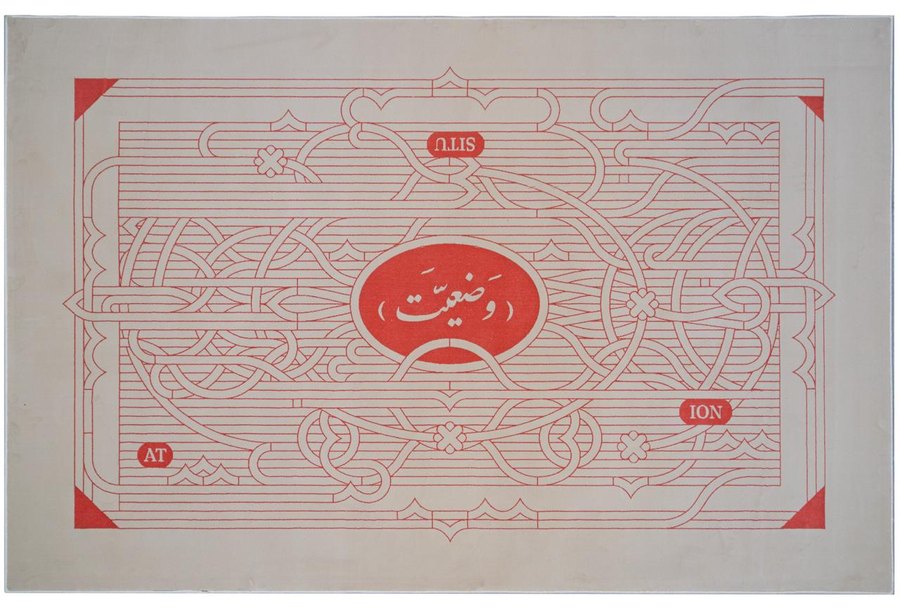
Most new collectors begin by exploring the work of emerging artists. Lesser-known galleries often represent artists whose work is both compelling and approachable. Spend time viewing a range of works, noting which pieces resonate with you and why. For example, Farhad by Farhad Fozouni is a machine-woven textile measuring 100 by 150 cm. Its design is composed of interlacing lines, a central oval, and ornamental calligraphic script, all contained within a geometric border. The palette is muted and monochrome, the surface flat and printed. Such a piece demonstrates how contemporary textiles can combine tradition and innovation, and how a work’s visual rhythm might appeal to a collector interested in graphic clarity and layered design.
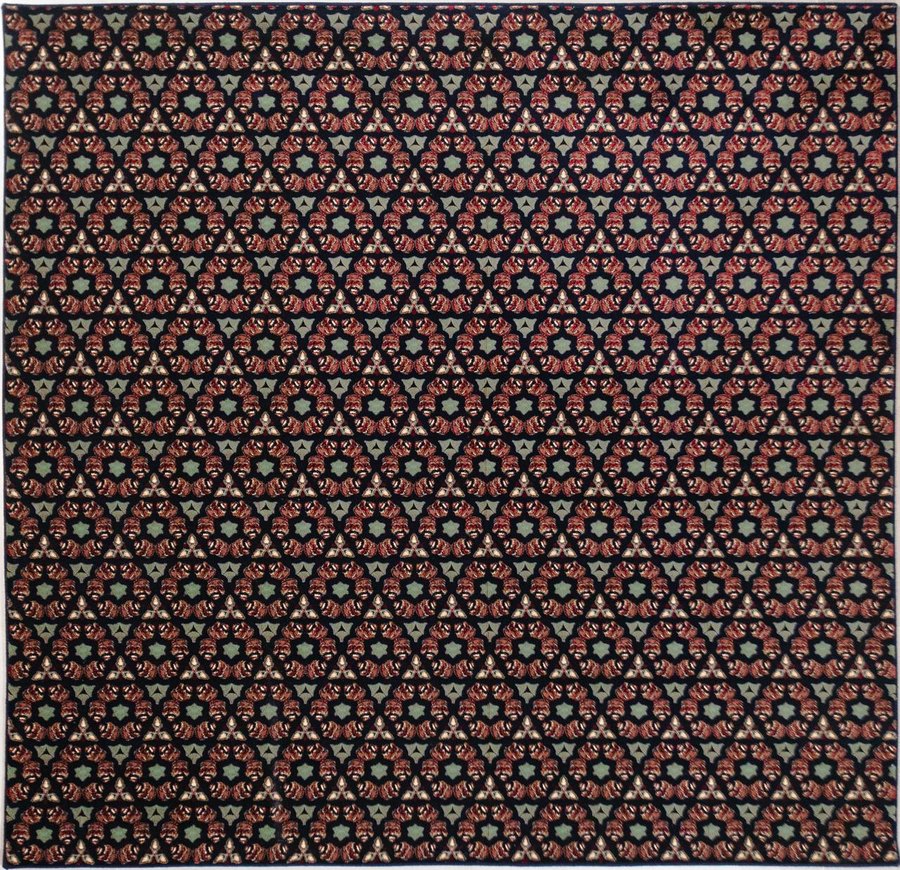
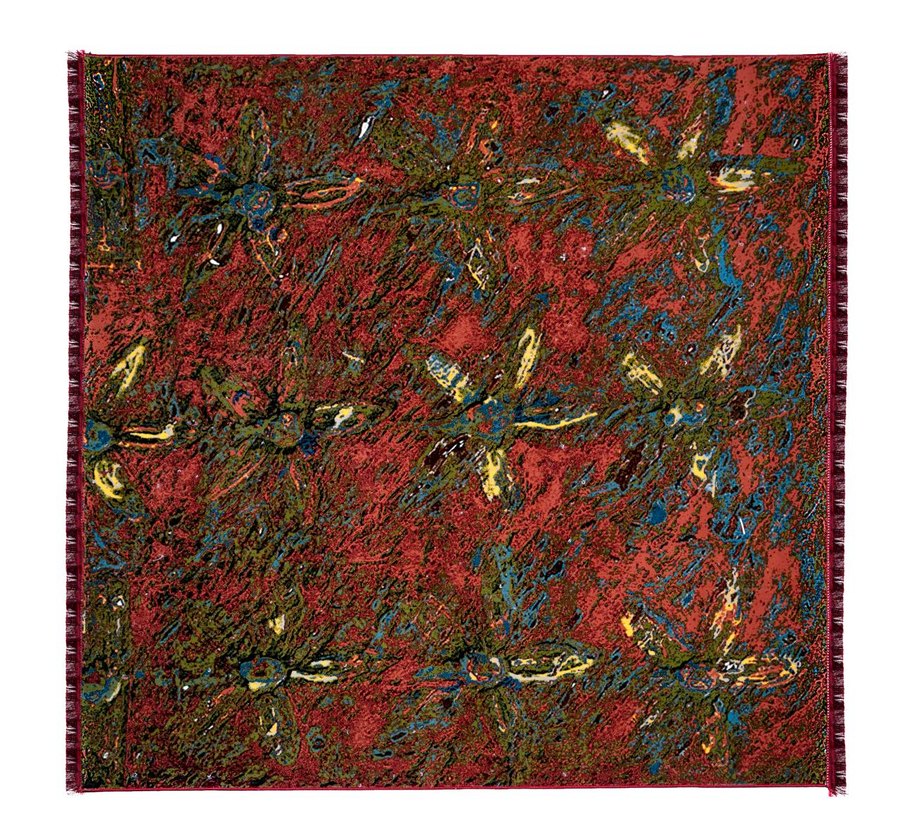
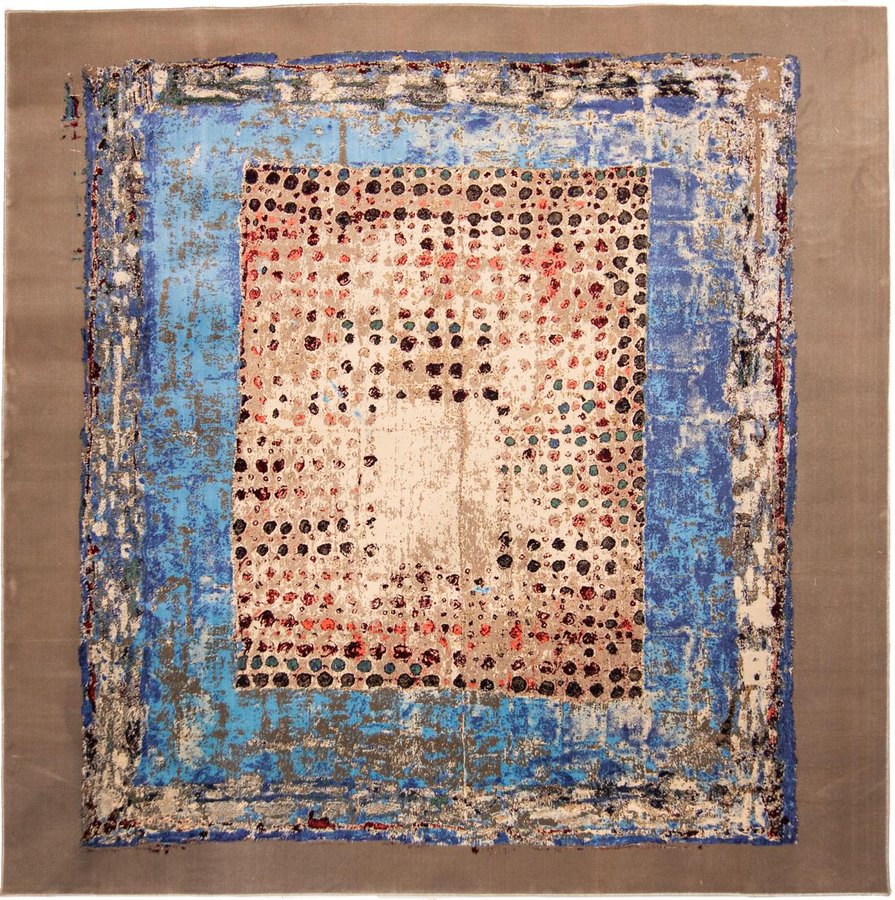
As you look, notice the materials and techniques. Nasrolahi by Ahmad Nasrollahi is another textile, but at 200 by 200 cm it commands a different presence. Its abstract dot grid and distressed texture are rendered through color layering, creating a nuanced earth-toned surface. The scale and muted palette encourage a slower, more contemplative engagement, and the flattened space means the work can complement a variety of wall colors and lighting conditions. When considering textiles, think about how they interact with light and the texture of your walls.
Evaluating artistic quality and originality
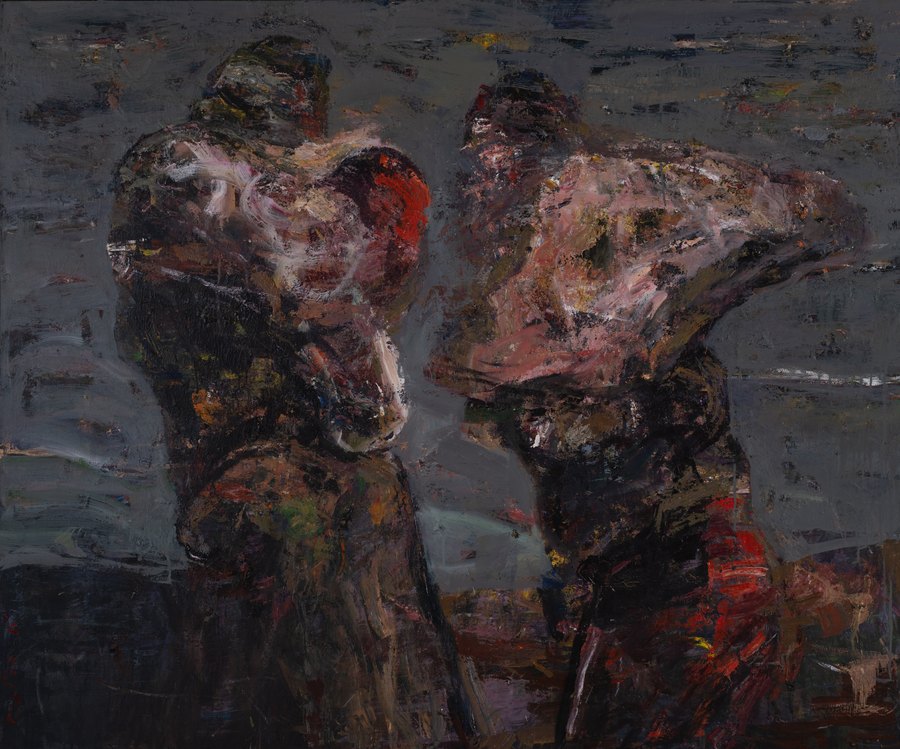
Quality in contemporary art is visible in the handling of materials and the coherence of the composition. Walking Through the Darkness by ALI ZAKERI is a large acrylic painting (180 by 150 cm) with a worked impasto surface. Two distorted human figures emerge from a dark, textured ground, their forms energetic yet ambiguous. The painting’s earth-toned palette and high contrast lend it visual depth, while the layering and blending of acrylic create a tactile surface. When evaluating such a work, stand back to appreciate the composition, then move closer to observe the brushwork and texture. Consider how the scale relates to your room: large works often require more space and neutral surroundings to be seen clearly.
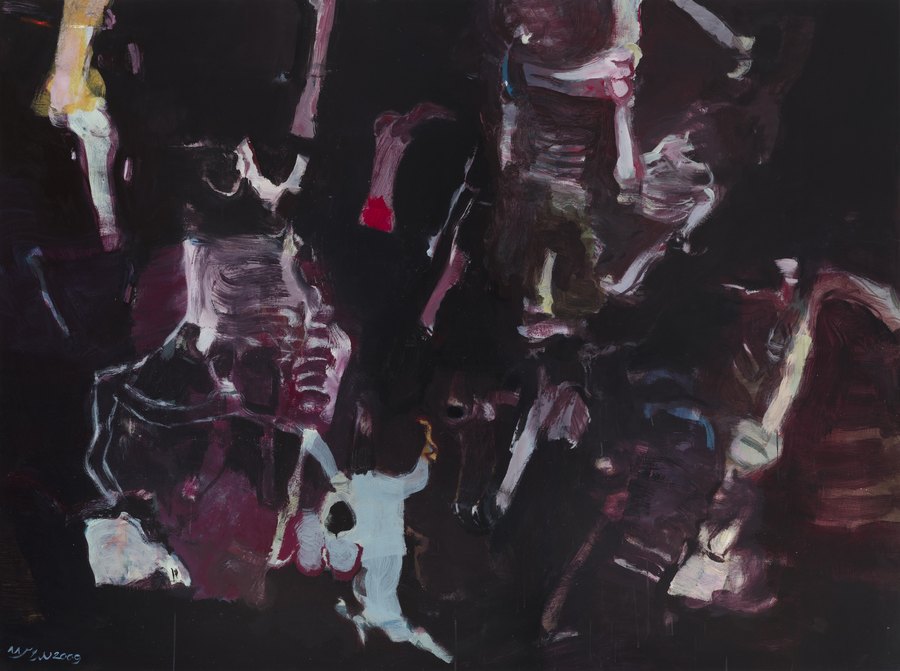
Originality can be found in unexpected combinations of subject and technique. Chain by Dariush Hosseini, painted in acrylic on canvas (140 by 187.5 cm), features ambiguous, skeletal forms and a fragmented, dense composition. The expressive brushwork and layered surface create a sense of movement and tension. High-contrast, muted colors make the work striking from a distance and complex up close. When viewing such pieces, note how the artist’s choices—fragmentation, layering, palette—shape your response. Originals often reveal new qualities with time and changing light.
Practical considerations: installation, framing, and shipping
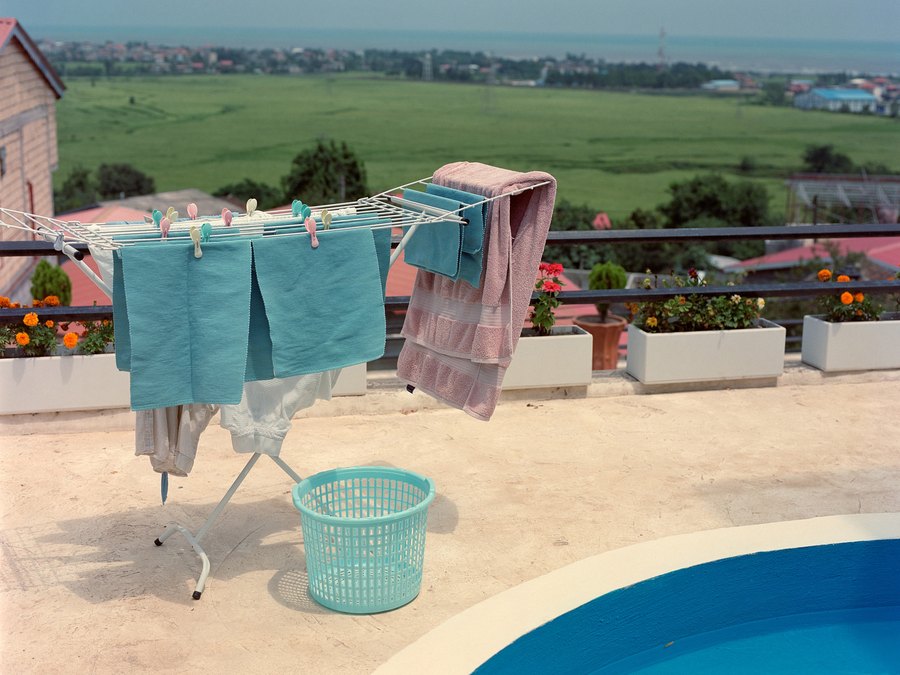
Before purchasing, measure your wall carefully. Use painter’s tape to mark the dimensions of the artwork, standing at various distances to see how it fits. For works on canvas, such as Walking Through the Darkness and Chain, consider whether the edges are finished and if the work needs a frame. Paintings with worked surfaces often benefit from minimal framing, while textiles like Farhad and Nasrolahi can be hung with rods or stretched over a backing. Prints, such as Lahijan, a chromogenic silk photograph measuring 16 by 21 cm, are best displayed with archival matting and glass to protect the surface.
Lighting is crucial: even, diffuse light flatters most works, while direct sunlight can fade colors and damage surfaces. Consider the color of your walls—muted backgrounds often allow art to stand out, while bold colors can interact with the palette of the piece.
International shipping and installation may require planning. Works on canvas and textiles can be rolled or shipped flat, but fragile surfaces need careful handling. Ask galleries about packaging and installation advice, and check the condition of the piece upon arrival.
Understanding cultural significance and personal enjoyment
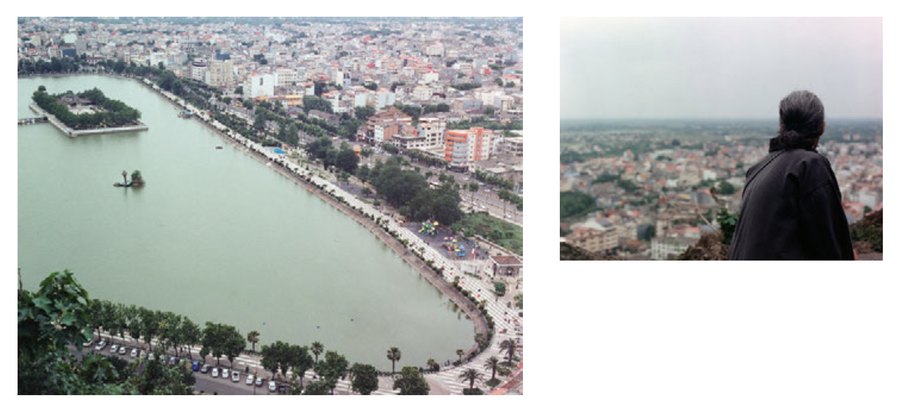
Art can be chosen for many reasons: personal enjoyment, cultural resonance, or the desire to engage with contemporary practice. Lahijan by Alireza Fani is a photographic print depicting a cityscape with water, buildings, and a lone figure. Its natural, muted palette and deep space invite reflection, and the small scale makes it suitable for intimate settings or grouped displays. Such works can anchor a collection around a theme or mood, or simply bring a sense of place and quiet observation to your home.
Remarkable artworks do not require enormous budgets. The talent and vision of artists represented by lesser-known galleries can offer rich possibilities for new collectors. Focus on what moves you, what fits your space, and what you want to live with.
The other works in this piece
Deciding which artwork to choose
The best starting point is honest engagement: spend time with the works, consider your environment, and imagine living with each piece. The artworks discussed here illustrate a range of materials, scales, and approaches, each offering a distinct experience. As you explore, let your preferences guide you, informed by careful observation and practical considerations. In time, your collection will reflect not only your taste, but your way of seeing the world.
Works in this piece
Farhad Fozouni
Farhad, 2026
Machine-Woven Carpet
39¼ × 59 in
Liikeh Art Factory
$2,900
Shipping included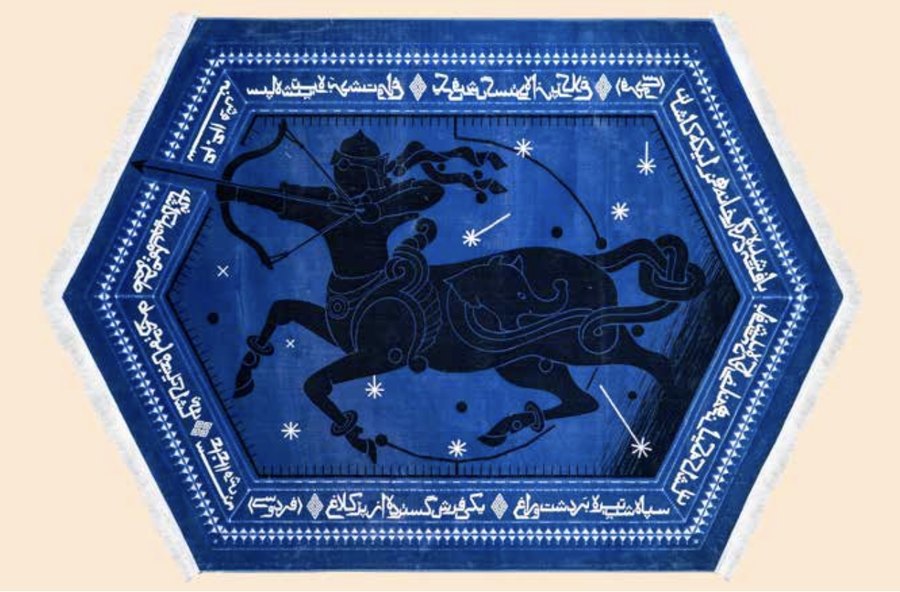
Majid Kashani
Kashani, 2026
Machine-Woven Carpet
98½ × 137¾ in
Liikeh Art Factory
$3,900
Shipping includedAhmad Nasrollahi
Nasrolahi, 2026
Machine-Woven Carpet
78¾ × 78¾ in
Liikeh Art Factory
$3,900
Shipping included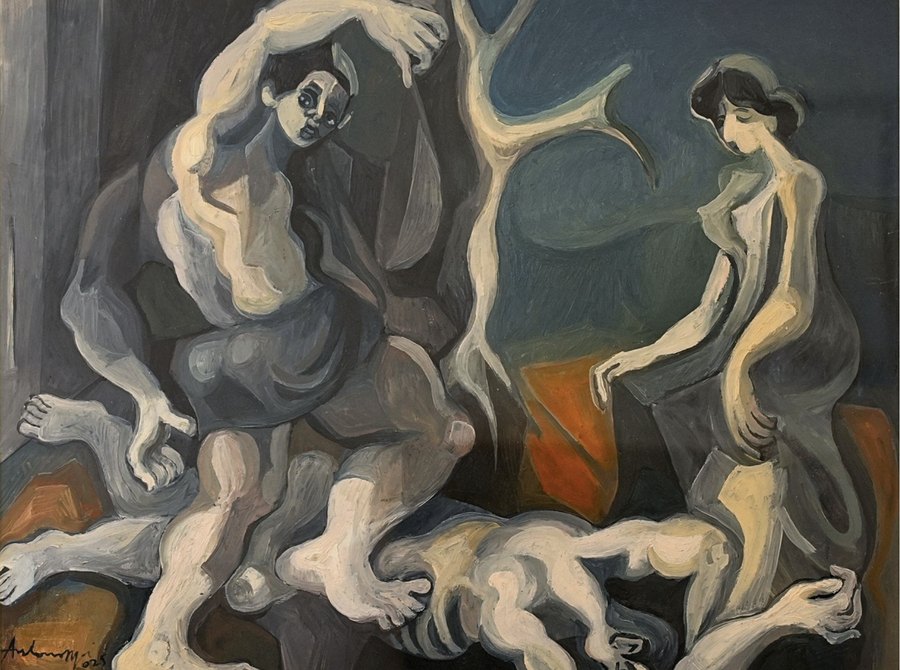
Syed Arsalan Naqvi
The First Reassertion, 2025
Oil on paper
12 × 16 in
ZQ Gallery
$800
Shipping included